Weddings · 5 min read
Wedding Reception Timeline: Transitioning Dinner to Dancing
Learn how to seamlessly transition your wedding reception from quiet dinner to a high-energy dance floor using the four-zone sound method and bridging hour techniques.
The short version
Transitioning a wedding reception from dinner to a high-energy dance floor requires a deliberate "bridging hour" divided into four distinct sound zones. By controlling ambient volume, EQ ranges, and gradual BPM increases, planners can draw guests to the floor naturally without jarring microphone announcements.
Short answer: A seamless transition from dinner to a high-energy dance floor requires managing the "bridging hour" across four distinct sound zones. By gradually shifting music from low-energy ambient background tracks to mid-tempo builders, and controlling decibel levels and speaker direction, you draw guests to the floor naturally without relying on disruptive microphone announcements.
Many wedding timelines look perfect on paper. The photography slot ends, dinner finishes, and the schedule simply reads: "9:00 PM - Dance Floor Opens." In reality, expecting guests to instantly shift from quiet dining to high-energy dancing is a common mistake. This gap in energy is known as the bridging hour.
To move a room's psychology from dining to dancing, you must program the sound system, the tempo, and the physical room volume in unison. Jordan Miller utilizes this exact four-zone blueprint to transition receptions seamlessly.
The Psychology of the Bridging Hour
When dinner ends, guests are typically in a relaxed state. Their bodies are digesting, and the ambient noise in the room consists of clinking glasses and low conversation. Simply dropping a high-tempo club track at this moment creates sensory shock.
Instead of forcing the transition with an aggressive MC announcement, planners should use the music as a directional cue. The transition requires a psychological ramp. By slowly changing the audio environment, guests will physically migrate toward the sound source. This shift relies on dividing the reception into four distinct sound zones.
The Four Sound Zones of a Wedding Reception
To manage the energy curve, the timeline should follow four distinct musical phases. Each phase has a specific technical purpose.
Zone 1: Ambient Dining (Background)
- The Goal: Facilitate conversation and lower social anxiety.
- The Playback: Mid-tempo acoustic, soft indie, or relaxed classic hits. Keep the volume low enough that guests do not have to raise their voices. For inspiration on earlier event phases, see our guide on designing a country EDM wedding cocktail hour playlist.
- The Technical Setup: High-frequency clarity with minimal low-end bass. Sound should be evenly distributed throughout the room rather than blasting from a single point.
Zone 2: The Bridging Hour (Transition)
- The Goal: Transition the room from passive listening to active movement.
- The Playback: Familiar, vocal-forward tracks with steady, prominent rhythm. Think classic sing-alongs, modern funk, or warm, melodic house. Keep the tempos between 90 and 110 BPM.
- The Technical Setup: Bring the low-end frequencies up slightly. Subwoofers should begin to warm up the room, signaling a change in environment.
Zone 3: The Floor Opener (Activation)
- The Goal: Pull the first wave of guests to the physical floor.
- The Playback: Immediately following the parent dances or formal cake cutting, launch into a high-energy, universally recognizable track. This is where you transition from classic hits to dance-tempo tracks. Read about choosing the right setup in our wedding DJ package comparison.
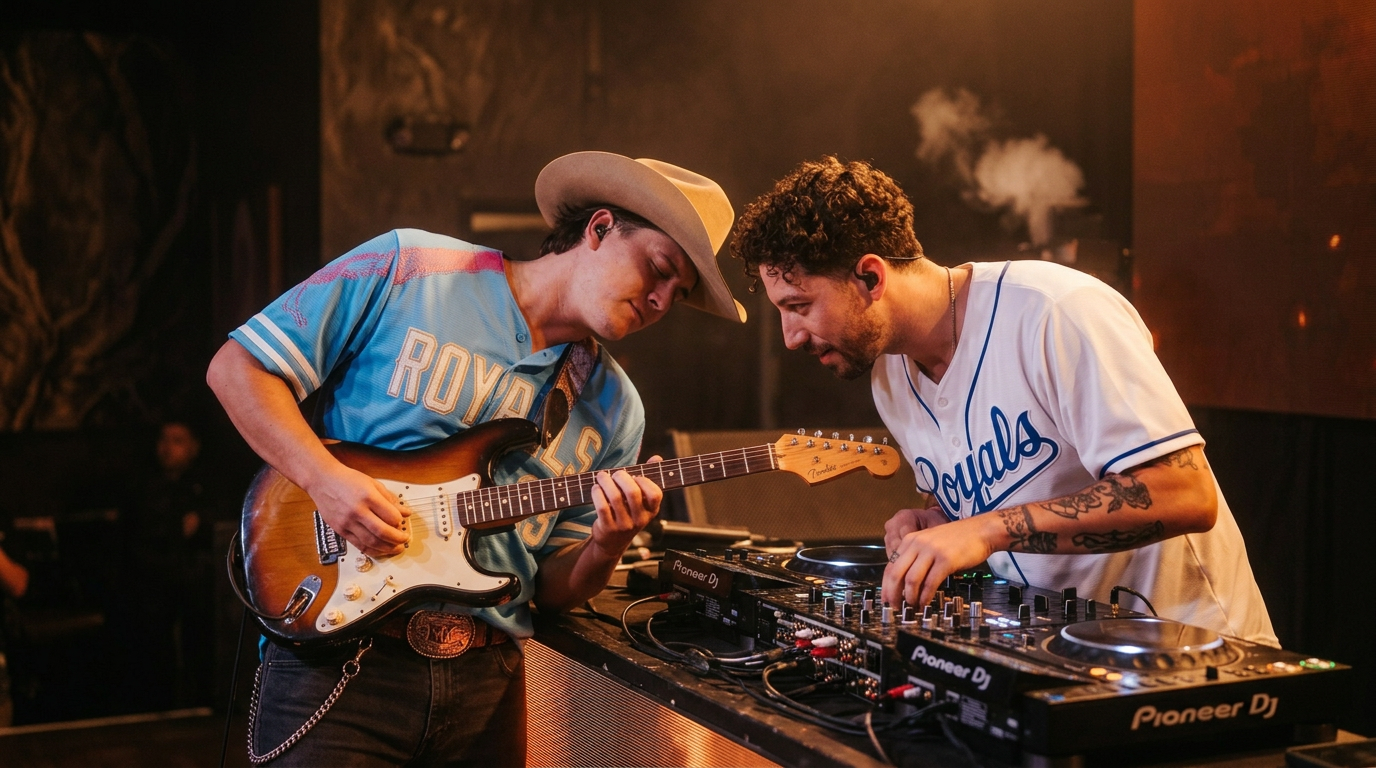
- The Technical Setup: Direct all sound energy toward the dance floor. If using a hybrid setup, this is where live instruments like electric guitar begin to accent the mixes.
Zone 4: Peak Energy (The Main Set)
- The Goal: Maintain a high-density dance floor.
- The Playback: Seamless mixing across genres. This is where you drop high-energy club tracks, remixes, and up-tempo anthems.
- The Technical Setup: Maximum dynamic range, focused directional sound, and active dance lighting.
Decibel and Frequency Management
Volume control is the most powerful tool for guiding guest behavior. If the music is too loud during dinner, guests will leave the room to talk. If it is too quiet during the dance set, the floor will feel empty and exposed.
| Reception Phase | Targeted Decibel Level | Frequency Focus | Primary Goal | | :--- | :--- | :--- | :--- | | Zone 1: Dinner | 60 to 65 dBA | High-Mids (Vocals) | Easy conversation | | Zone 2: Bridging | 70 to 75 dBA | Warm Low-Mids | Physical engagement | | Zone 3: Opener | 80 to 85 dBA | Full Range (Sub-Bass) | Floor attraction | | Zone 4: Peak | 85 to 95 dBA | Full Range (Dynamic) | Total immersion |
To manage these changes without causing ear fatigue, planners must understand how different sound levels affect a space. Understanding dBA vs. dBC decibel limits helps keep the energy high on the floor while protecting conversational spaces at nearby tables.
The BPM Escalation Formula
Tempo shifts must be gradual. A sudden jump from an 80 BPM dinner ballad to a 128 BPM electronic track sounds like a mistake. DJs use a technique called tempo stair-stepping to build momentum.
Start the bridging hour with tracks around 90 BPM. Over the course of 45 minutes, incrementally step up the tempo. Move from 90 to 100, then to 110, and finally cross into the 120s as the formal dances finish. For a detailed breakdown of how to execute these tempo jumps technically, read our guide on how to transition from country to EDM BPM.
A Practical Timeline Checklist for Planners
To ensure the music flow aligns with your catering and production teams, use this general programming template for the final hours of the reception:
- 7:30 PM (Dinner Service - Zone 1): Play conversational background music. Keep lighting warm and static.
- 8:15 PM (Toasts & Cake Cutting): Use clear vocal microphones. Lower the music level entirely during speeches, then return immediately to background level.
- 8:30 PM (The Bridging Hour - Zone 2): Bring up the master volume by 3 decibels. Introduce rhythmic tracks with recognizable vocals. Dim the perimeter room lights by 20 percent.
- 8:50 PM (Formal Dances): First dance and parent dances occur. This draws all eyes and bodies toward the dance floor area naturally.
- 9:00 PM (Floor Opener - Zone 3): Transition instantly from the final parent dance into a high-energy floor-opening track. Dim the house lights completely, leaving only the dance floor lighting active.
- 9:15 PM (Peak Set - Zone 4): Maintain high-tempo, continuous mixing to keep guests locked in.
For planners looking to build an engaging, modern wedding timeline with professional audio execution, view the customizable options on Jordan Miller's wedding DJ booking page.
Common questions
What is the bridging hour in a wedding reception timeline?
The bridging hour is the critical transition phase between the end of dinner and the official opening of the dance floor. Instead of jumping abruptly from soft background dining music to high-energy dance tracks, the DJ gradually increases the volume, tempo, and low-end bass frequencies over 30 to 45 minutes. This natural energy ramp coaxes guests toward the dance floor without requiring disruptive microphone announcements.
How do you transition the music flow from dinner to dancing naturally?
The transition is achieved through gradual tempo increases and volume adjustments. Start the bridging hour with familiar, mid-tempo songs around 90 to 100 BPM. Slowly step up the tempo toward 110 to 120 BPM while raising the volume by 3 to 5 decibels. Direct the sound toward the dance floor, dim the house lights, and use the final formal dances to physically gather guests near the floor before dropping the first high-energy track.
What decibel levels are best for a wedding reception?
Dinner music should stay between 60 and 65 dBA to allow guests to converse comfortably without shouting. During the bridging hour, volume should step up to 70 to 75 dBA. Once the main dance floor opens, target 85 to 95 dBA focused directly on the dance floor area, keeping surrounding tables slightly quieter to prevent guest fatigue.
Should we use announcements to open the dance floor?
Relying on a microphone announcement to open the dance floor often feels forced and awkward. A more effective method is utilizing physical cues. Dimming the room lights, increasing the sub-bass frequencies, and using parent dances to naturally gather guests around the floor creates a seamless transition that draws people on to dance without a verbal command.
Go deeper
Stay in the loop
Not booking today?
Get tour dates, new music, and a heads up when booking availability opens. No spam, unsubscribe anytime.
Keep reading
- WeddingsBest Wedding DJs in San Antonio (2026 Prices Compared)San Antonio publishes more wedding DJ pricing than Austin does, which makes comparison easier. Eight options compared on published rates, longevity and specialism.
- WeddingsBest DJs for Ranch and Outdoor Weddings in the Texas Hill Country (2026)Outdoor ranch weddings break things indoor DJs never deal with: generator power, no house sound, humidity on instruments, sound ordinances and weather. Six acts compared on outdoor capability.
- WeddingsBest Alternatives to a Traditional Wedding DJ (2026)A DJ is not the only option, and a band is not the only alternative. Eight formats compared on cost, space, volume control and what each actually does to a reception.