Event Planning · 8 min read
DJ Contract Overtime Clause: Extended Set Fees Explained
An overtime clause sets the rates and rules when a DJ plays past the agreed end time. Day-of extensions usually cost 1.5 to 2 times the hourly rate.
The short version
An overtime clause is a contract provision that details the rates and rules if a DJ performs past the agreed end-time. Day-of extensions usually cost 1.5 to 2 times the base hourly rate (pre-booked time costs less), and extensions require written authorization from the primary client or planner. These clauses protect the DJ's labor and equipment while outlining payment terms, venue curfew rules, and staff costs.
Short answer: An overtime clause is a contract provision that details the rates and rules if a DJ performs past the agreed end-time. Day-of extensions usually cost 1.5 to 2 times the base hourly rate (pre-booked time costs less), and extensions require written authorization from the primary client or planner. These clauses protect the DJ's labor and equipment while outlining payment terms, venue curfew rules, and staff costs.
What is an Overtime Clause in a DJ Contract?
A professional entertainment contract is a legal lease of time, talent, and equipment. The document specifies an exact start and end time. When an event runs late, or guests demand that the music continue, the DJ cannot simply keep playing without a clear legal and financial framework.
The overtime clause defines exactly what happens when the scheduled performance window is exceeded. It is not a penalty. It is a pre-negotiated rate that compensates the performer and their crew for additional labor, equipment wear, and potential logistical complications. Without this clause, a DJ is legally within their rights to cut the audio at the exact minute specified in the contract, regardless of the dance floor's energy.
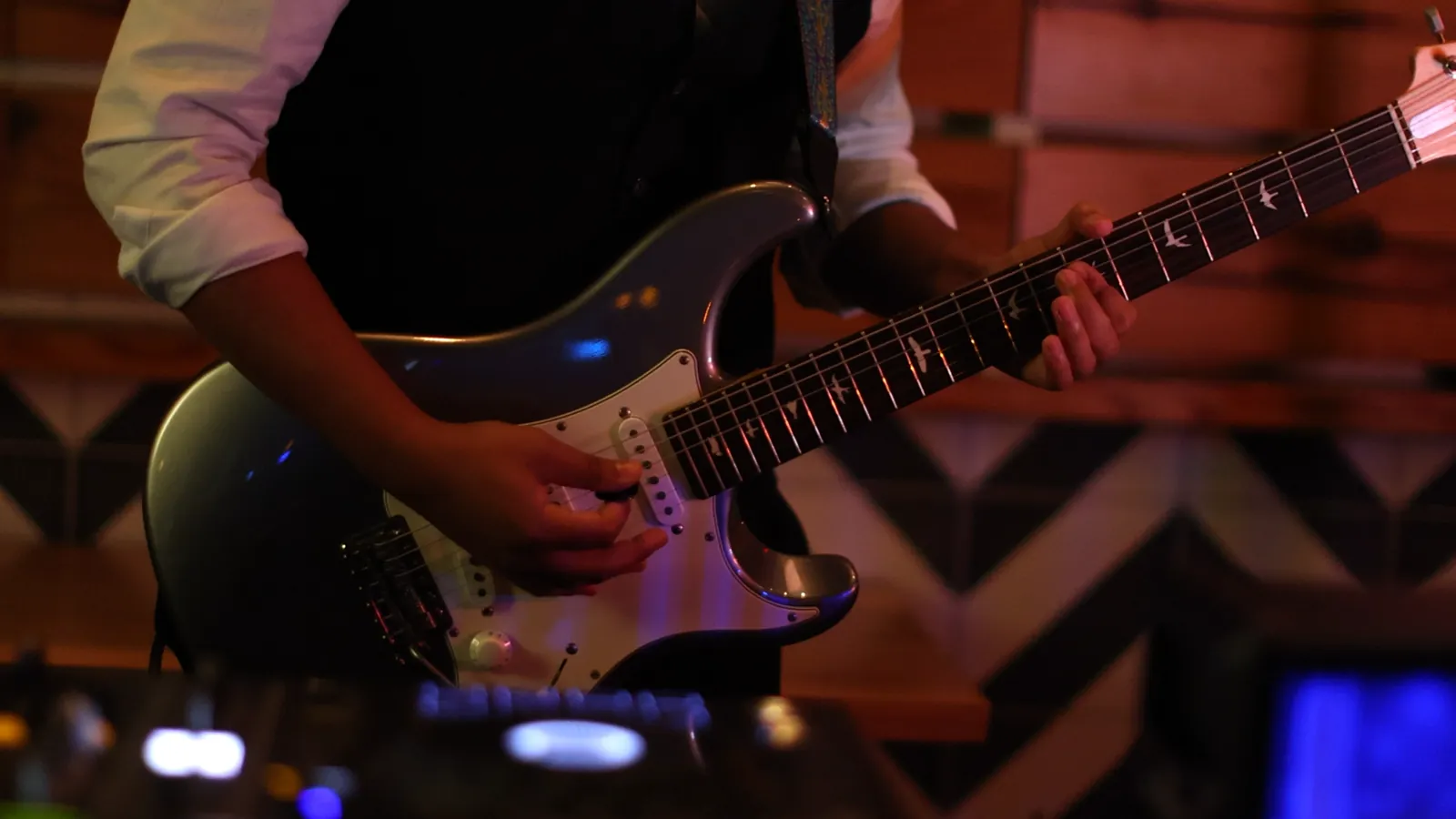
For high-performance acts, overtime involves more than just keeping the music playing. For example, during a touring show or a hybrid performance with live instruments, extended play affects the entire crew. When booking Jordan Miller or his hybrid project Mixmode, which features live electric guitar, overtime means compensating the technician crew, the guitarist, and managing active technical components past their scheduled run times. Clear parameters protect both the client from unexpected bills and the performers from unpaid labor.
How DJs Structure Overtime Fees
Overtime fees are structured in one of three ways. Understanding these models helps event planners budget for potential schedule overruns before signing the contract.
Prorated Hourly Rates
Some entertainers bill overtime at their standard hourly rate, broken down into 30-minute increments. If the base contract is $3,000 for four hours, the hourly rate is $750. A 30-minute extension under a flat prorated model would cost $375.
Premium Hourly Rates
Most experienced DJs charge a premium for unscheduled time. This is typically 1.5 times or double the standard hourly rate. This premium compensates for the physical strain of extended performance, last-minute travel changes, and crew overtime. If the standard rate is $750 per hour, a 1.5-times premium makes the overtime rate $1,125 per hour, or $562.50 per 30 minutes.
Pre-Booked vs. Day-of-Event Rates
Many contracts offer two different rates for extended time. Pre-booked overtime is negotiated and paid weeks before the event. Day-of-event overtime is a higher rate applied when the client requests an extension during the show. Pre-booking is always more affordable because it allows the artist to plan travel, staffing, and venue load-out times in advance.
| Overtime Type | Typical Rate Multiplier | Payment Timing | Logistical Prep Required | | :--- | :--- | :--- | :--- | | Pre-Booked Overtime | 1.0x to 1.25x base rate | Paid with final balance | High (scheduled in advance) | | Day-Of Extension | 1.5x to 2.0x base rate | Paid on-site before playing | Low (instant adjustments) | | Holiday / Late Night (Post-1 AM) | 2.0x base rate or flat fee | Paid on-site or pre-billed | High (requires transport shifts) |
The Decision Chain: Who Can Request an Extension?
One of the most common points of friction at the end of a night is deciding who actually has the authority to extend the DJ's performance. Alcohol is often flowing, and excited guests or members of the wedding party may approach the DJ booth offering cash or demanding more songs.
A professional contract protects against this by establishing a strict decision chain. The overtime clause will specify that only the primary signees on the contract can authorize an extension.
- The Client: The specific individual or corporate representative named on the contract.
- The Designated Event Planner: The professional coordinator who has been given explicit financial authority.
- The Venue Representative: In rare cases where venue logistics dictate timing changes.
If a bridesmaid, parent, or wedding guest approaches the DJ booth with a credit card, a professional entertainer will refuse to extend the set until they receive direct confirmation from the primary client or planner. This prevents the client from receiving an unexpected bill the next morning for hours they did not personally authorize.
Immediate Payment Requirements for Last-Minute Extensions
When a last-minute extension is requested on-site, the payment terms are highly specific. Unlike the initial booking fee, which is processed weeks in advance, day-of overtime must usually be settled immediately.
Most contracts require that the overtime fee be paid in cash, via mobile payment apps, or by a signed credit card authorization sheet before the DJ plays the first track of the extended hour. This policy exists because collecting payments after an event has concluded is notoriously difficult. Once the lights go up and guests begin leaving, tracking down the client to collect a balance is challenging for the performer.
For planners, keeping a card on file or maintaining a digital payment option ready is critical. If you are managing a high-stakes corporate party or wedding, budget a discretionary fund specifically for these decisions. When booking a professional DJ for high-stakes events, these payment protocols will be clearly outlined during the initial consultation.
Equipment, Labor, and Technical Overhead of Extra Hours
Playing past the contracted end-time is not as simple as clicking a button on a laptop. There are substantial technical and human resource costs associated with every additional minute of an event.
- Sound System Wear: High-powered PA speakers, subwoofers, and mixing consoles generate heat. Running a sound system at high decibel levels for an extra two hours increases thermal stress on the amplifiers.
- Crew Labor Rates: Production technicians, lighting designers, and sound engineers are hourly employees. If the DJ plays for an extra hour, the entire production crew must stay. This triggers overtime wages for the crew, which can quickly exceed the DJ's personal performance fee.
- Power and Generator Constraints: For outdoor events running on generator power, extending the set requires monitoring fuel levels. Running out of fuel during an extended set can damage sensitive digital audio equipment if the generator suddenly cuts power.
- Live Instrument Management: In hybrid performances, such as Jordan's Mixmode project with guitarist Kristian Cruz, extended play requires prolonged physical performance from live musicians. It also means keeping active instrument lines, such as the direct box signal chain and wireless transmitters, operational and free from interference.
Understanding these technical elements explains why DJs cannot simply play an extra hour as a free favor. The physical overhead is simply too high.
Venue Curfews and Municipal Noise Ordinances
Even if the client is willing to pay premium overtime rates, the physical venue or local laws may make an extension impossible. This is a critical point that event planners must coordinate before the event day.
Most venues, especially outdoor properties in residential areas, have strict noise curfews. In cities with active music scenes like Austin, noise permits specify exact decibel limits and cutoff times. If a venue has a hard out at 10:00 PM, the DJ cannot legally play until 10:30 PM, regardless of what the client is willing to pay.
If the DJ violates a local noise ordinance or venue curfew, they risk heavy fines, police intervention, or losing their preferred vendor status at that venue. A standard overtime clause will state that any extension is strictly subject to venue approval and local municipal codes. The clause will also stipulate that if the set is shut down early by venue management or law enforcement due to curfew violations, the client is still responsible for paying any pre-agreed overtime fees and will not receive a refund. Planners should review their timeline as part of their event day schedule management to ensure curfew compliance.
Key Contract Phrasing to Inspect Before Signing
When reviewing an entertainment agreement, look for specific, unambiguous language regarding extended performance times. A weak contract will use vague terms like "overtime available upon request." A strong, professional contract will detail the exact mechanics.
Here are the key elements that must be present in a comprehensive overtime clause:
- The Specific Hourly Rate: The exact dollar amount charged per hour or half-hour.
- The Minimum Increment: Whether overtime is billed in 15-minute, 30-minute, or 1-hour blocks.
- The Authorization Process: Explicit language stating who can authorize the extension and how that authorization must be recorded (e.g., text message, signed addendum, or email).
- The Payment Deadline: A statement specifying that the overtime fee must be paid before the extended performance begins.
- The Curfew Limitation: Language clarifying that extensions are subject to venue rules and local laws, with no refunds if a set is cut short by authorities.
This legal structure ensures that both parties are aligned. It prevents awkward negotiations on the dance floor while the music is paused. For more information on how deposits and legal contracts are structured, see our guide on securing event date deposits and retainers.
Best Practices for Planners: How to Avoid Unexpected Fees
With proper planning, you can avoid the high costs of last-minute overtime fees while still keeping your guests happy. Use these practical strategies to manage your timeline effectively.
- Build a 30-Minute Buffer into the Timeline: If you expect the party to end at 11:00 PM, schedule the DJ until 11:30 PM in the original contract. It is cheaper to pre-book that extra half-hour than to pay a premium day-of rate because you went over schedule.
- Coordinate with the Venue Manager First: Before asking the DJ to extend, confirm that the venue will allow it. Ask about cleaning fees, power cutoffs, and staff stay-over costs. There is no point in paying a DJ for overtime if the venue manager is about to turn on the house lights.
- Establish the Decision Maker in Advance: Introduce your event planner or designated decision maker to the DJ during setup. Let the DJ know that only this specific person has the authority to request an extension. This eliminates confusion when excited guests try to make requests at the end of the night.
- Pre-Authorize a Payment Method: If there is a high probability that the event will run late, pre-authorize a credit card or set up a digital payment link with the DJ's management team before the event starts. This keeps the transition seamless and prevents the music from stopping while you search for a checkbook.
To see how these contract rules apply to weddings specifically, you can review our dedicated wedding DJ booking page for details on performance agreements and timeline planning.
To inquire about booking Jordan Miller or the Mixmode project for your upcoming event, visit our contact page.
Common questions
Can a DJ refuse to play overtime if I offer to pay them?
Yes, a DJ can refuse an overtime request. They may have legal venue curfews, logistical travel plans, or strict labor limits for their technical crew. If the artist has another flight to catch or their crew has reached their legal working hours, they must stop playing at the contracted time. This is why pre-booking extra hours is always recommended if you expect the event to run late.
Is DJ overtime billed by the hour or by the minute?
DJ overtime is almost always billed in fixed increments, typically 30-minute or 1-hour blocks. Even if the DJ only plays for an extra 10 minutes, you will generally be billed for the full 30-minute or 1-hour increment. This is because the DJ and their crew must remain on-site, and the technical gear remains active for that entire block of time.
What happens if the venue shuts down the music during an authorized overtime set?
If venue management or local law enforcement shuts down the music due to noise complaints or curfew violations, the client is still fully responsible for paying the overtime fee. The DJ has committed their time and equipment to the extension, and they cannot control venue policy or municipal law enforcement actions.
Do I need to sign a new contract to extend the DJ's time on the night of the event?
You do not usually need to sign a completely new contract, but most professional DJs will require a written confirmation. This can be a simple digital sign-off, a text message, or an email from the authorized planner. This provides a clear paper trail of the agreement and prevents billing disputes after the event.
Go deeper
Stay in the loop
Not booking today?
Get tour dates, new music, and a heads up when booking availability opens. No spam, unsubscribe anytime.
Keep reading
- Event PlanningEvent Audio Troubleshooting: How to Prevent Mic FeedbackFeedback happens when a live mic picks up its own signal from a PA speaker. Pull the mic behind the speakers, lower the gain, or cut the ringing frequency.
- Event PlanningXLR vs. TRS vs. RCA: The Event Planner's Guide to Audio CablesDemystify venue AV quotes. Learn the crucial differences between XLR, TRS, and RCA cables, and why using the wrong wire creates terrible event buzz.
- Event PlanningEvent Audio Routing for Videographers: The DJ GuideLearn how to route clean board audio to an event videographer's recorder. Prevent clipping, room echoes, and ground hum with this technical guide.