Event Planning · 5 min read
DJ Lighting Basics: What Planners Need to Know
Understand the difference between wash, spot, and effect lighting, how DMX programming impacts event energy, and how to avoid power issues at your venue.
The short version
A successful DJ lighting setup relies on three distinct fixture types (wash, spot, and effect) controlled dynamically via DMX software. To prevent venue power outages, planners must verify that lighting rigs are allocated to dedicated circuits separate from the audio system.
Short answer: DJs use a combination of wash, spot, and effect lighting controlled via DMX software to guide guest attention and build dance floor energy. A basic setup requires at least one dedicated 20-amp circuit and features wash lights for room color, moving heads for movement, and strobe or laser effects for high-intensity moments.
Stage lighting is often treated as an afterthought in event planning. Planners spend months choosing florists, caterers, and program tracks, only to accept whatever basic lighting package is tacked onto the DJ contract.
When lighting is poor, even the best music fails to translate to the dance floor. If the room is too bright, guests feel self-conscious and will not dance. If the lighting is completely static, the room lacks movement. If the colors are wrong, your professional photography will suffer. Understanding how DJ lighting works helps you collaborate with venue managers and production teams to avoid these issues.
The Core Categories of DJ Stage Lighting
Professional stage lighting relies on three distinct fixture types. Each serves a specific purpose in the room.
1. Wash Lighting
Wash lights produce a wide, soft-edged beam of light. They are used to flood a large area with a single color. Uplights placed against walls, LED bars, and stage wash fixtures fall into this category. Wash lighting sets the baseline mood of the room. It ensures the stage is visible without blinding the audience.
2. Spot and Beam Lighting
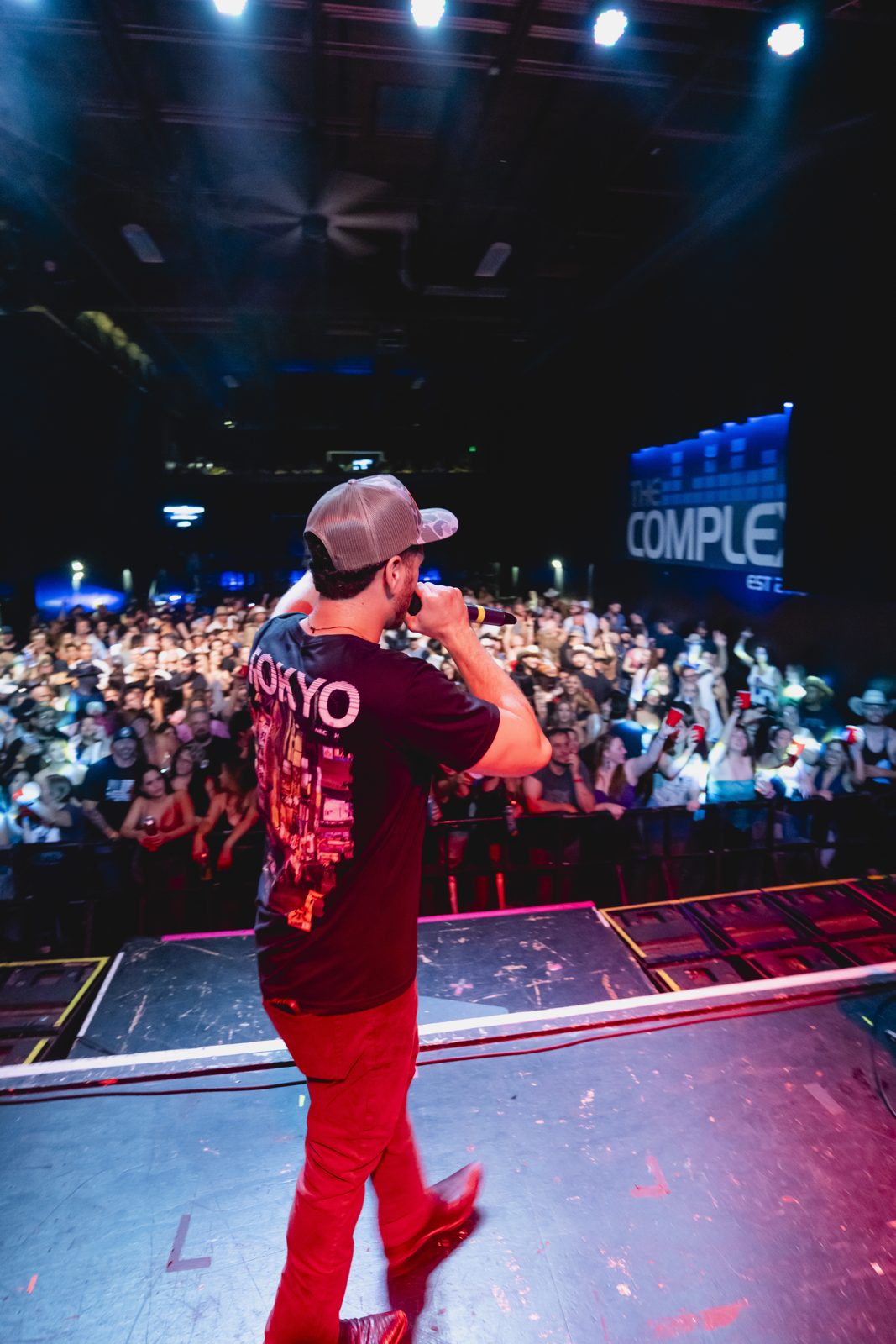
Spotlights and moving heads produce a narrow, sharp-edged beam. Unlike wash lights, these fixtures can pan and tilt to project patterns (gobos) or focused light onto specific areas. They draw the eye. For example, during a performance by Jordan Miller, spot lighting might shift focus from the mixing deck to the guitar neck during a live solo.
3. Effect Lighting
Effect lights are designed to create high-energy movement. This category includes strobes, lasers, derby lights, and pixel-mapping bars. These fixtures are used sparingly during high-energy peaks in the music. Overusing effect lighting creates visual fatigue and can make a corporate dinner feel like an underground rave before the guests are ready.
How DMX Control Guides the Event Run of Show
Cheap lighting setups run in sound-active mode. This means the fixtures have a built-in microphone and change color whenever they detect a bass beat. This leads to erratic, chaotic flashing during speeches and dinner music.
Professional setups use the DMX-512 protocol. This digital communication standard allows a lighting designer or the DJ to control every fixture from a single software interface or console. DMX cables are daisy-chained from fixture to fixture back to the controller.
With DMX control, the lighting transitions alongside the event timeline:
- Cocktail Hour: Slow, warm amber washes with no movement.
- Grand Entrance: Bright spotlighting on the entrance doors.
- Dinner: Static, low-intensity wash lighting to keep the mood intimate.
- Dance Set: Color shifts and synchronized moving beams that match the tempo of the music.
To see how professional artists coordinate these technical elements, review our guide on understanding DJ riders.
The Power Challenge: Amperage and Circuit Layouts
Power failure is the most common technical issue at live events. Planners often assume that if a wall outlet is free, it can power a lighting rig. This is a critical mistake.
Modern LED fixtures draw very little power, but professional moving heads, hazers, and high-powered wash fixtures still require significant electricity.
Power Formula:
Amps = Watts / Volts
In the United States, standard wall outlets deliver 120 volts. A standard commercial breaker is rated for 20 amps. Under electrical safety codes, a continuous load should not exceed 80 percent of the breaker capacity. This means a single 20-amp circuit safely delivers 1,920 watts.
- A typical professional haze machine: 1,200 watts.
- Four high-output moving head fixtures: 800 watts.
- Total load: 2,000 watts.
This setup will trip a 20-amp breaker if plugged into the same circuit. If the DJ's sound system is plugged into that same circuit, the entire event will go dark and silent. You must coordinate with the venue manager to secure dedicated circuits. The audio system must run on separate electrical circuits from the lighting rig to prevent ground loops and audio hum.
For complex setups involving live instruments and hybrid DJ performances, review the requirements in the country EDM technical rider.
Common Pitfalls in Event Lighting Setup
The Zombie Color Trap
Avoid solid green or deep blue wash lighting on the stage or dance floor when people are speaking or posing for photos. Green light makes human skin tones look gray and sickly. Camera sensors struggle to balance skin tones under heavy blue light. Stick to warm amber, soft pink, or candlelight gold washes for areas where guests are socializing.
Over-Rigging Without Structural Approval
Heavy fixtures cannot simply be hung from drop ceilings or pipe-and-drape lines. Placing moving heads weighing 30 pounds each on top of vertical metal poles (totems) requires heavy, weighted baseplates to prevent tipping. If you plan to hang lighting overhead, you must work with a certified rigger and ensure the venue ceiling points are rated for the load. You can learn more about safe rigging practices on our production services page.
Lack of Contrast
If the entire room is flooded with bright wash light, your moving heads and effect lights will not show up. Good lighting design requires darkness. To make a spotlight beam pop, you need to lower the ambient house lights. If the venue cannot dim its primary lighting, the visual impact of your DJ's lighting rig will be significantly reduced.
How to Evaluate a DJ's Lighting Proposal
When reviewing a DJ proposal, look for specific equipment lists rather than vague terms like "premium lighting package." A professional proposal should clearly state:
- The number and brand of moving head fixtures.
- The type of control system used (DMX hardware or software).
- The structural support structures (e.g., totems, T-bars, or trussing).
- The specific power requirements (number of dedicated circuits needed).
If a DJ cannot specify how their lights are controlled or how much power they draw, they are likely using basic sound-active consumer gear.
For your next high-stakes corporate gathering, secure a professional performance with complete production control by visiting our corporate events page.
Common questions
What is the difference between sound-active lighting and DMX control?
Sound-active lighting relies on a microphone inside each light to change colors based on the beat, resulting in random flashing. DMX control uses a digital cable system and software to program precise movements, colors, and timings that match the actual event schedule and music flow.
Can I run a DJ sound system and light show on the same wall outlet?
No. A single standard outlet is usually on a 15-amp or 20-amp circuit. Running both heavy audio amplifiers and lighting fixtures on the same circuit will likely trip the breaker. It can also cause an audible hum in the speakers.
Why does the DJ need a haze machine for the lights to look good?
Light beams are invisible in clear air. A haze machine releases a fine mist that hangs in the air, allowing the light beams to catch the particles and become visible. Without haze, you will only see the spot of light where it hits the wall or floor, not the beam cutting through the air.
What colors are best for event photography?
Warm white, soft gold, amber, and light pink are best for human skin tones. Avoid heavy green, blue, or purple washes on the main stage or dance floor, as they distort skin tones and make editing difficult for your photographer.
Go deeper
Stay in the loop
Not booking today?
Get tour dates, new music, and a heads up when booking availability opens. No spam, unsubscribe anytime.
Keep reading
- Event PlanningEvent Power Distribution: Breakers and Outlets for Outdoor StagesLearn how to plan outdoor stage power. Understand breaker types like 20A 120V and 30A 240V, phase distribution, and outlet configurations to prevent overloads and ensure stable power.
- Event PlanningDecoding Event Audio Specifications: PA Systems for PlannersAn accessible guide to professional PA systems for event planners. Understand FOH, monitors, subwoofers, and how audio scalability impacts your budget.
- Event PlanningEvent Day Schedule Management: Load-In to Last Call GuideLearn how to build a foolproof music entertainment schedule from load-in to last call. Ensure smooth setups, perfect soundchecks, and zero timeline delays.