For Talent Buyers · 9 min read
Touring Entertainment Booking: DJ vs. Local Talent Cost Analysis
Compare the true costs and returns of hiring a touring DJ versus local talent. Learn how technical riders, stream counts, and brand equity impact your event ROI.
The short version
Booking touring entertainment guarantees brand equity and technical reliability. While upfront costs like travel and riders are higher, they eliminate on-site technical failures and elevate the credibility of high-stakes corporate and festival events.
Short answer: Booking a touring DJ secures a proven brand asset, high stream counts, and a standardized production rider that eliminates on-site failure. While local talent costs less upfront, they often rely on house gear and lack the marketing pull required to justify premium ticket sales or high-stakes corporate brand impressions.
The Core Financial Differences: Local vs. Touring DJ Fees
When planning a regional festival or high-stakes corporate event, talent acquisition is one of the largest line items in your budget. Understanding the cost differences between local DJs and touring artists requires looking past the base performance fee.
Local DJs generally charge a flat rate ranging from $1,000 to $3,000 per event. This fee typically covers their performance time, basic music preparation, and sometimes a consumer-grade controller they bring to the venue. They operate as generalists. They are accustomed to playing various open-format sets to keep a standard dance floor moving. They carry low overhead, require no travel logistics, and rarely present a technical rider.
In contrast, touring DJs command performance fees starting around $5,000 and can scale well past $25,000 depending on their market share, streaming metrics, and radio play. This premium covers more than just their time on stage. A touring fee reflects the artist's brand value, specialized musical identity, and the security of professional show execution. Touring acts do not play generic background music. They deliver a defined performance that serves as a core marketing asset for your event. To understand the underlying value of this price difference, planners must analyze how these artists protect high-stakes investments, which is detailed further in our guide on professional dj value for high stakes events.
Beyond the base fee, touring artists require a dedicated travel and hospitality budget. This budget includes flights, ground transportation, hotel accommodations, and daily meals. When you book a touring artist, you are investing in a structured business entity designed to deliver a specific, high-quality product without administrative friction.
Production Requirements and the Technical Rider Reality
One of the most significant differences between local and touring talent lies in the technical execution of the show. Local talent often adapts to whatever sound system exists at the venue, sometimes plugging unbalanced consumer equipment directly into professional house systems. This approach regularly introduces audio issues like ground loops, signal distortion, and unstable wireless connections.
Touring artists operate under a strict technical rider. This contractually binding document ensures the venue provides the exact hardware required for a flawless performance. A standard technical rider for a professional DJ set typically specifies:
- Playback Decks: Two to four Pioneer CDJ-3000 professional multi-players.
- Audio Mixer: A Pioneer DJM-V10 or DJM-900NXS2 professional four-channel mixer.
- Audio Interface: High-end digital-to-analog converters or professional DI boxes, such as Radial ProD2 stereo direct boxes, to output a clean, balanced signal to the front-of-house PA system.
- Monitoring: High-output active stage monitors controlled independently from the main mix, preventing latency issues and phase cancellation.
For complex productions, keeping track of these requirements is essential. Planners can refer to our large event production planning advanced checklist to ensure every technical variable is covered.
While providing this specific backline gear adds to your production costs, it eliminates the risk of technical failure. Touring acts use identical gear configurations at every tour stop. This consistency means their muscle memory, equipment routing, and software settings are optimized for zero-latency performance. The signal chain is clean, predictable, and engineered to sound massive on large-format festival line arrays or specialized venue sound systems.
Travel, Logistics, and Hospitality Cost Drivers
To build an accurate budget comparison, planners must account for the secondary costs associated with touring entertainment booking. These travel and production costs are collectively referred to as "rider requirements."
+-----------------------+-----------------------------+-----------------------------+
| Cost Category         | Local DJ (Averages)         | Touring DJ (Averages)       |
+-----------------------+-----------------------------+-----------------------------+
| Base Performance Fee  | $1,000 - $3,000             | $5,000 - $25,000+           |
| Travel & Flights      | $0                          | $500 - $2,000 (per person)  |
| Ground Transport      | $0                          | $150 - $400                 |
| Hotel Accommodations  | $0                          | $200 - $500 (per night)     |
| Backline Rental       | Provided by artist or house | $300 - $1,200 (if rented)   |
| Catering & Green Room | $0 - $50                    | $100 - $300                 |
+-----------------------+-----------------------------+-----------------------------+
These cost variables can fluctuate based on scheduling. If you book an artist during a scheduled national tour, you may benefit from "flight sharing." This is where travel expenses are split proportionally between multiple event planners in adjacent cities. If you book an artist for a isolated, one-off date, you will be responsible for the full round-trip travel costs from their home base.
Hospitality riders also include specific ground transportation requirements, such as a dedicated driver or SUV service, and a hotel room block at a quiet, four-star hotel close to the venue. These provisions are not diva requests. They are functional requirements designed to keep touring professionals rested, on schedule, and performing at their physical peak after days of continuous travel.
Brand Equity and Stream Count: Measuring Marketing ROI
When you hire local talent, you are paying for a service. When you hire a touring artist, you are buying brand equity. This distinction directly impacts your ticket sales, sponsor integration, and overall brand perception.
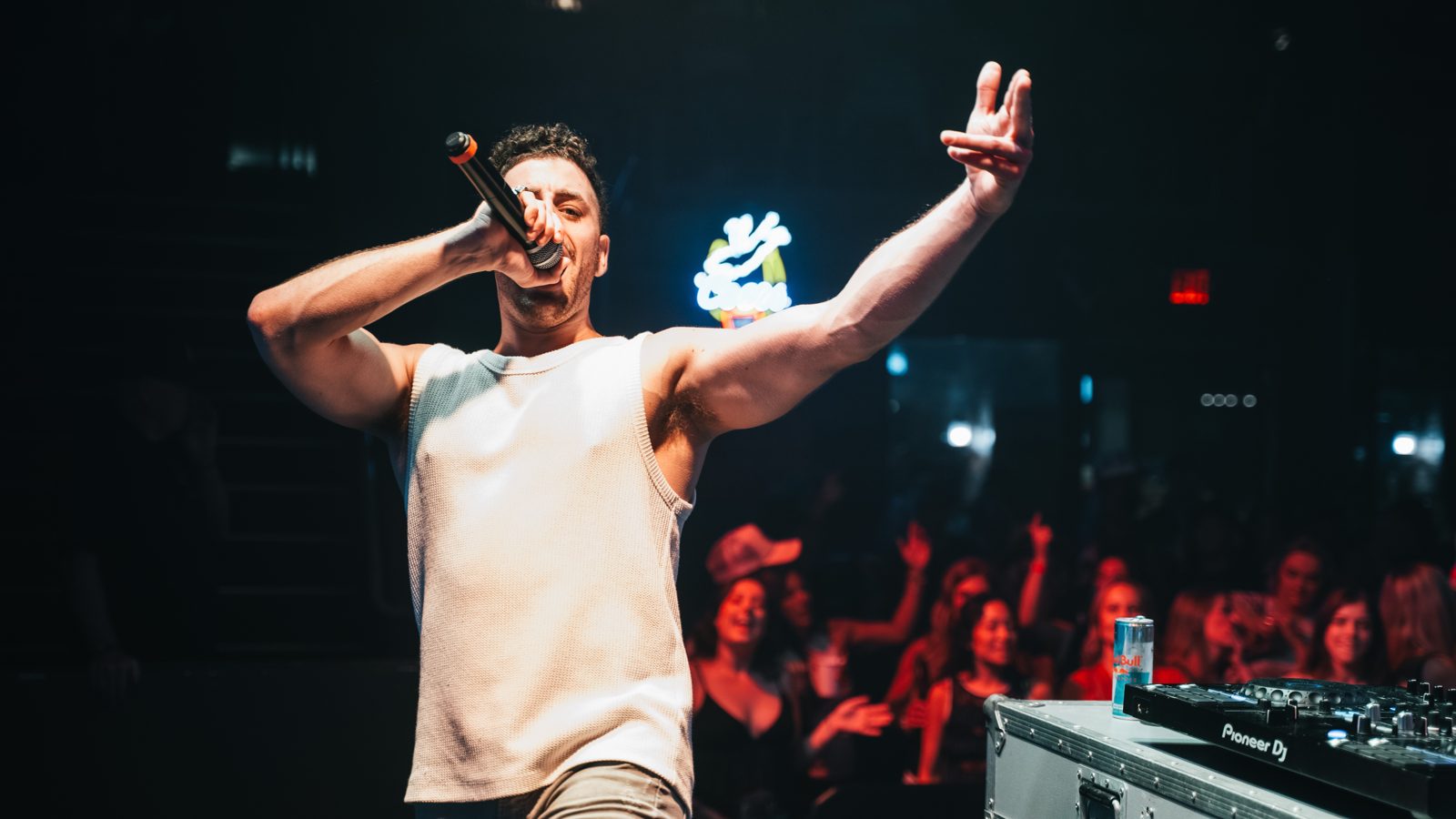
Touring artists bring built-in credibility. Jordan Miller, for example, brings a footprint of over 10 million streams and a national performance history that includes a feature in Billboard. When a regional event or corporate brand aligns with an artist of this tier, that credibility immediately transfers to the host organization.
This brand equity can be measured across several performance indicators:
- Sponsorship Integration: High-value sponsors, such as luxury brands or national beverage distributors, prefer to align with established, touring artists who carry a professional digital presence.
- Ticket Sales Acceleration: Headlining acts with verifiable tour histories drive early-bird ticket sales. This provides the cash flow necessary to fund early production deposits.
- Media and Press Coverage: Local media outlets are far more likely to cover an event featuring an artist on a multi-city national tour than one featuring a standard regional resident DJ.
- VIP Ticket Packages: You can package premium seating, exclusive meet-and-greets, and luxury viewing platforms around a touring headliner to create high-margin ticket options.
For corporate events, this brand equity translates into guest excitement and high brand affinity. High-profile organizations like Lamborghini Austin have utilized touring talent to anchor major vehicle launches. This elevates the overall guest experience far beyond what standard background music can achieve.
Mitigating On-Site Risk and Technical Failures
In high-stakes environments, a technical failure is more than an inconvenience. It can damage a brand's reputation and lead to costly production delays. Local DJs, while often talented, rarely carry the structural support or rigorous prep protocols of a national touring operation.
Touring professionals operate with standardized fail-safes designed to protect the integrity of the performance:
- Rigorous Technical Advances: The artist's production team reviews the venue's PA specifications, power capacity, and stage dimensions weeks before the event. To understand this process in detail, read our guide on how to run a technical advance call for live music events.
- Redundant Performance Media: Touring DJs carry multiple mirrored USB drives formatted to different file systems, ensuring they can perform even if a primary drive fails mid-set.
- Dedicated Soundcheck Windows: A standard touring contract requires a closed 60-minute soundcheck prior to doors opening. This allows the audio engineer to tune the PA system to the exact acoustics of the room, eliminating frequency build-ups and unexpected microphone feedback.
- Experienced Stage Management: Touring acts are accustomed to strict run-of-show schedules. They hit their exact stage times, manage transitions between acts seamlessly, and maintain a highly professional presence behind the decks.
If your venue is an outdoor stage or a temporary structure, these technical preparations become even more critical. Having a team that understands how to manage professional audio distribution ensures the show goes on without interruption.
Production Formats: Solo DJ vs. Hybrid Live Acts
When evaluating touring entertainment booking options, planners should consider the format of the performance. While a solo DJ set delivers high energy, a hybrid live project offers a more engaging visual and musical experience that appeals to a broader audience.
This hybrid format is exemplified by projects like Jordan Miller's Mixmode show with guitarist Kristian Cruz. This project combines the seamless, high-energy transitions of a country EDM DJ set with the dynamic showmanship of live electric guitar performance.
                       [DJ Performance Decks]
                                 │
                                 ├─► [Stereo DI Box] ──► [FOH PA System]
                                 │
                       [Live Electric Guitar]
This hybrid setup delivers several key benefits for regional events:
- Visual Movement on Stage: A traditional DJ setup can sometimes feel static. A live guitarist moves across the stage, engages directly with the crowd, and creates focal points that are highly shareable on social media.
- Cross-Genre Appeal: Combining country instrumentation with electronic dance music production allows planners to appeal to diverse demographics. It bridges the gap between traditional music fans and high-energy dance crowds.
- Dynamic Soundscapes: The addition of live, real-time instrumentation introduces organic textures and solos that cannot be replicated by prerecorded files. This creates a memorable, concert-quality experience.
By offering a complete show rather than just a music playback service, hybrid touring acts deliver a premium performance value that justifies the additional budget required for their production and travel riders.
Essential Questions to Ask Any DJ Before Booking
Before finalizing a contract with either a local DJ or a touring artist, planners should conduct a thorough interview process. These questions will help you assess the candidate's professionalism, technical capability, and suitability for your event format.
1. What are your exact power and space requirements on stage?
Avoid artists who do not know their technical footprints. A professional act should immediately provide a clear stage plot and electrical requirements, such as dedicated 20-amp circuits, to prevent tripped breakers during the performance.
2. Do you require a technical rider, and who provides the backline gear?
Ensure you know exactly what equipment you are responsible for sourcing. If an artist claims they do not need any specific gear and can perform on anything, they are likely a hobbyist rather than a touring professional.
3. How do you handle emergency technical failures on stage?
Ask about their redundancy plans. A professional should have backup playback media, alternative audio routing options, and a clear plan of action if a mixer or media player fails during their performance.
4. What is your process for advancing the show with our local production team?
An experienced touring act will want to coordinate with your sound and lighting technicians weeks in advance. This ensures everyone is aligned on the signal path, input lists, and schedule.
5. Can your team provide high-resolution marketing assets for our promo campaigns?
Touring acts should have a professional electronic press kit containing approved high-resolution photos, brand logos, bios, and social media assets. This simplifies your marketing efforts and ensures consistent branding across all promo channels.
By demanding clear, professional answers to these questions, you can make an informed booking decision that aligns with your budget, production capabilities, and overall event goals.
To secure a touring act for your upcoming event, you can submit an inquiry through our festivals booking page.
Common questions
What is the typical cost difference between a local DJ and a touring DJ?
A local DJ typically costs between $1,000 and $3,000, requiring no travel or production riders. A professional touring DJ commands a base performance fee starting at $5,000, which can scale past $25,000. Additionally, touring acts require travel, lodging, ground transportation, and specific backline gear rentals, which can add $1,500 to $5,000 to the total budget depending on the event location and routing.
What happens if the venue cannot provide the gear on the technical rider?
If a venue cannot provide the exact backline gear listed on the technical rider, the planner must rent the equipment from a local production company. Touring contracts are legally binding, and failing to provide the specified gear can result in show cancellation or performance delays. Sourcing the correct gear ensures the artist's performance software and hardware integrate seamlessly for a zero-failure show.
Are travel and lodging costs always paid by the event planner?
Yes, the booking party is standardly responsible for all travel and lodging expenses. These are typically handled in one of two ways: either the planner books the flights and hotel directly based on the artist's rider requirements, or they agree to a flat-rate travel buy-out, which is added directly to the artist's performance contract.
How can I reduce the travel costs of booking a touring DJ?
The most effective way to reduce travel costs is through tour routing. If you book an artist on a date that aligns with their existing tour schedule in your region, you can share the flight costs with other event planners. This minimizes the overall travel expenses compared to booking a one-off performance that requires long-distance, round-trip travel.
Go deeper
Stay in the loop
Not booking today?
Get tour dates, new music, and a heads up when booking availability opens. No spam, unsubscribe anytime.
Keep reading
- For Talent BuyersProfessional DJ Value: Experience for High-Stakes EventsDiscover why hiring an experienced professional DJ is critical for high-stakes corporate and wedding events, comparing formats, costs, riders, and technical execution.
- For Talent BuyersBest DJs for Fraternity and Sorority Parties in Texas (2026)Greek events are not weddings. Chapter budgets, nationals compliance, outdoor power and a crowd that films everything change what you should book. Eight Texas options compared.
- For Talent BuyersSecuring Your Event Date: DJ Booking Deposits and RetainersLearn the financial and legal mechanics of booking event entertainment. Master the difference between non-refundable retainers, deposits, and cancellation policies.